01Juvederm 101
What is Juvederm, and what is it approved for?
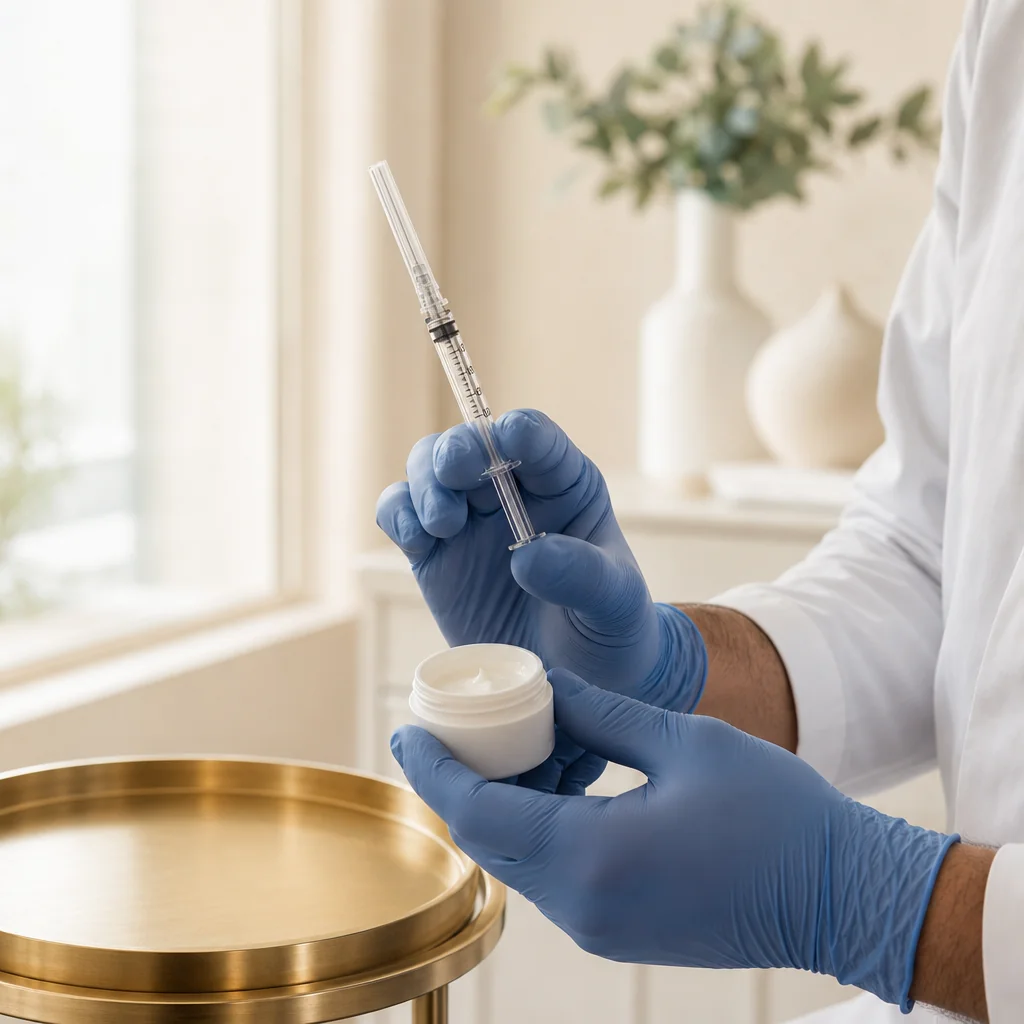
Hyaluronic acid is a type of sugar found naturally in the body's tissues. Juvederm injections are not surgery, and they are not permanent. Some fillers also contain a numbing medicine. The FDA says having filler should be treated as a medical procedure, not a beauty treatment.
- What is approved
- Each product is approved for its own area: the first Juvederm gels (2006) for moderate to severe wrinkles and folds such as the lines from nose to mouth, then others for the cheeks (2013), the lips and the lines around the mouth (2016), and the jawline (2022), in adults over 21.
- What is not
- The FDA advises against filler to reshape the body, and against injecting the area between the eyebrows, the nose, around the eyes, the forehead or the neck: it has not approved those uses, except one Juvederm gel for hollows under the eyes (2021).
- How long it lasts
- About 6 to 12 months for hyaluronic acid fillers, the FDA says. How long depends on the filler and where it is injected.
- Can it be undone?
- Not always, so do not count on it. The FDA says removing filler may need injections, surgery or other treatment, which carry their own risks, and may be difficult or impossible, most of all for permanent fillers and fillers not made of hyaluronic acid.
Keep in mind
Where the filler comes from matters.
Never buy filler online, and never have it injected with a needle-free pen.
The FDA has warned about unapproved Juvederm sold online, and says needle-free pens are not approved for filler. Ask us for the name of your filler and its patient leaflet.
02Your consultation
Who do you meet?
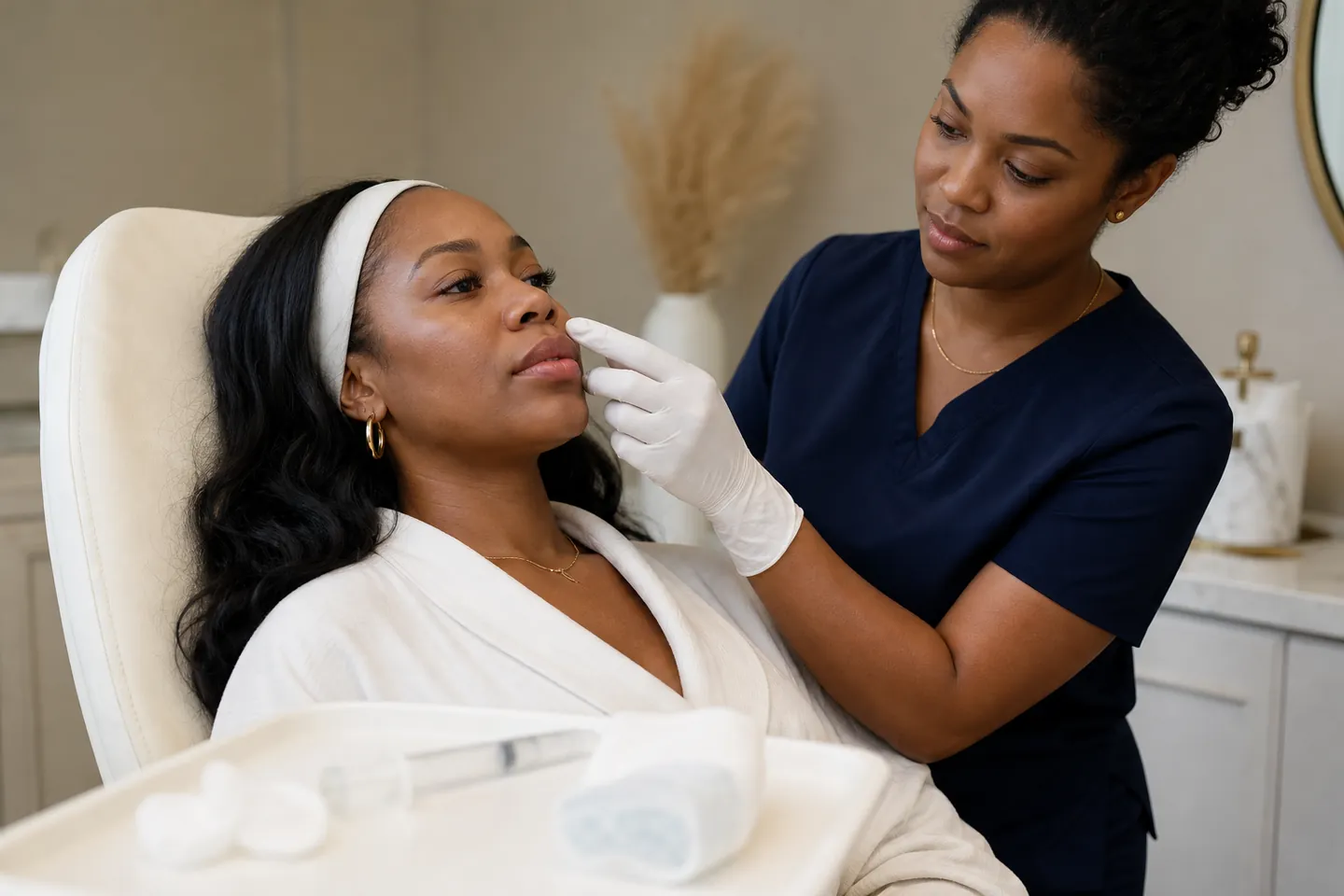
Dr. Charles Rockhead, in person, at 9 Devon Road in Kingston. He goes through your health and your medicines, and looks at your face. Dr. Rockhead gives your injections himself.

Dr. Charles Rockhead, Medical Director — Oshun Cosmetic Services, Kingston.
Dr. Charles Rockhead
Medical Director · Board-Certified OB/GYN · 30+ years of practice
Dr. Charles Rockhead is a board-certified Obstetrician and Gynaecologist with more than thirty years of practice in Kingston. He is the Medical Director of Oshun Cosmetic Services and the founding physician of Amadeo Medical Group, the parent clinical practice.
Read the clinic story · View Dr. Rockhead's LinkedIn
03Your appointment
Before, during and after.
i.
Before
Tell us every medicine, vitamin, herb and bush tea you take, any filler you have had before, and if you are or could be pregnant. We ask you to avoid alcohol for 24 hours before, and aspirin, anti-inflammatory painkillers and fish oil for about a week before. If you take any of these regularly, or a blood thinner, do not stop on your own: tell us, and your doctors decide.
ii.
The plan
The areas and amounts are written down before anything is injected, and kept for your next visit. Nothing is added without your say.
iii.
The injections
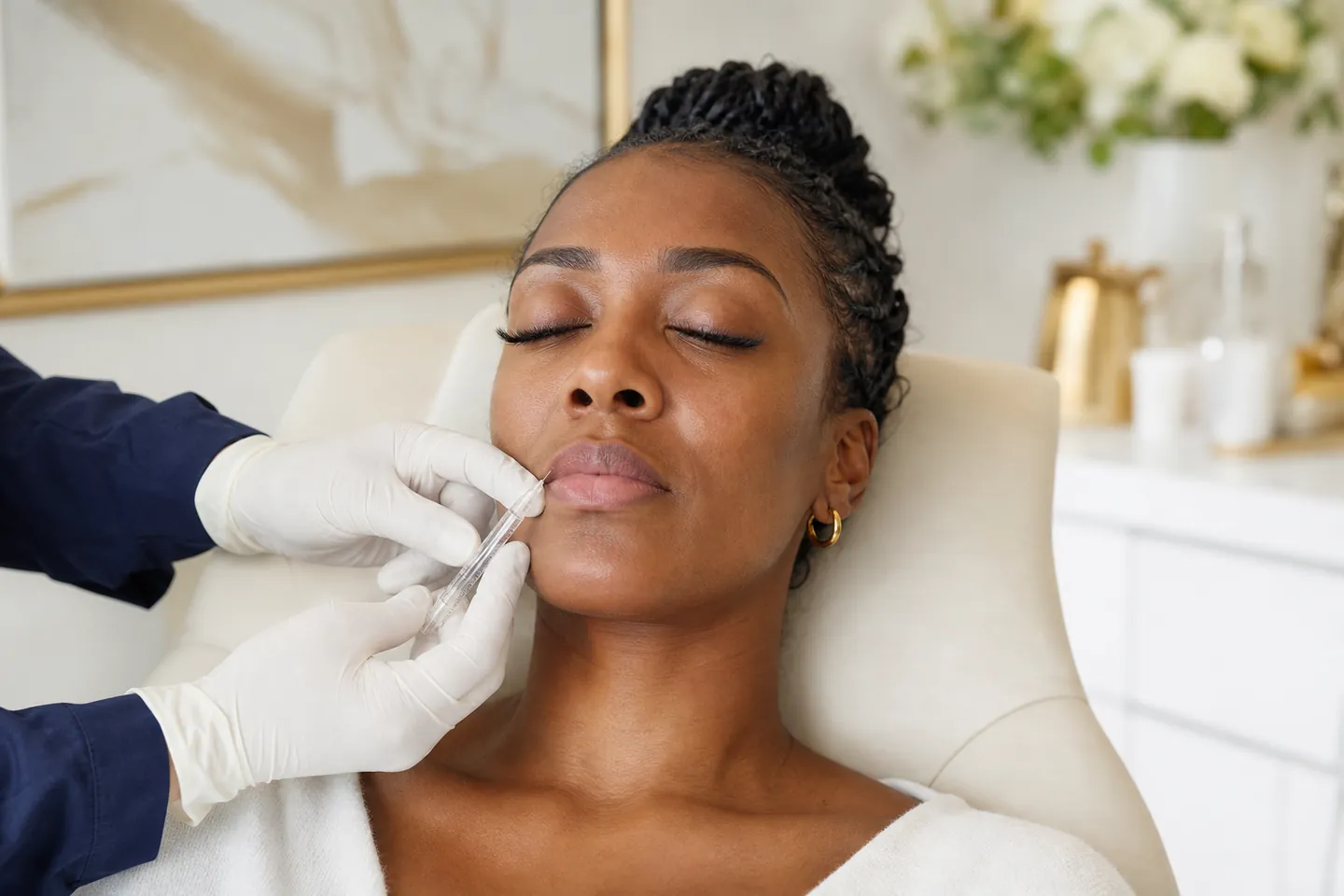
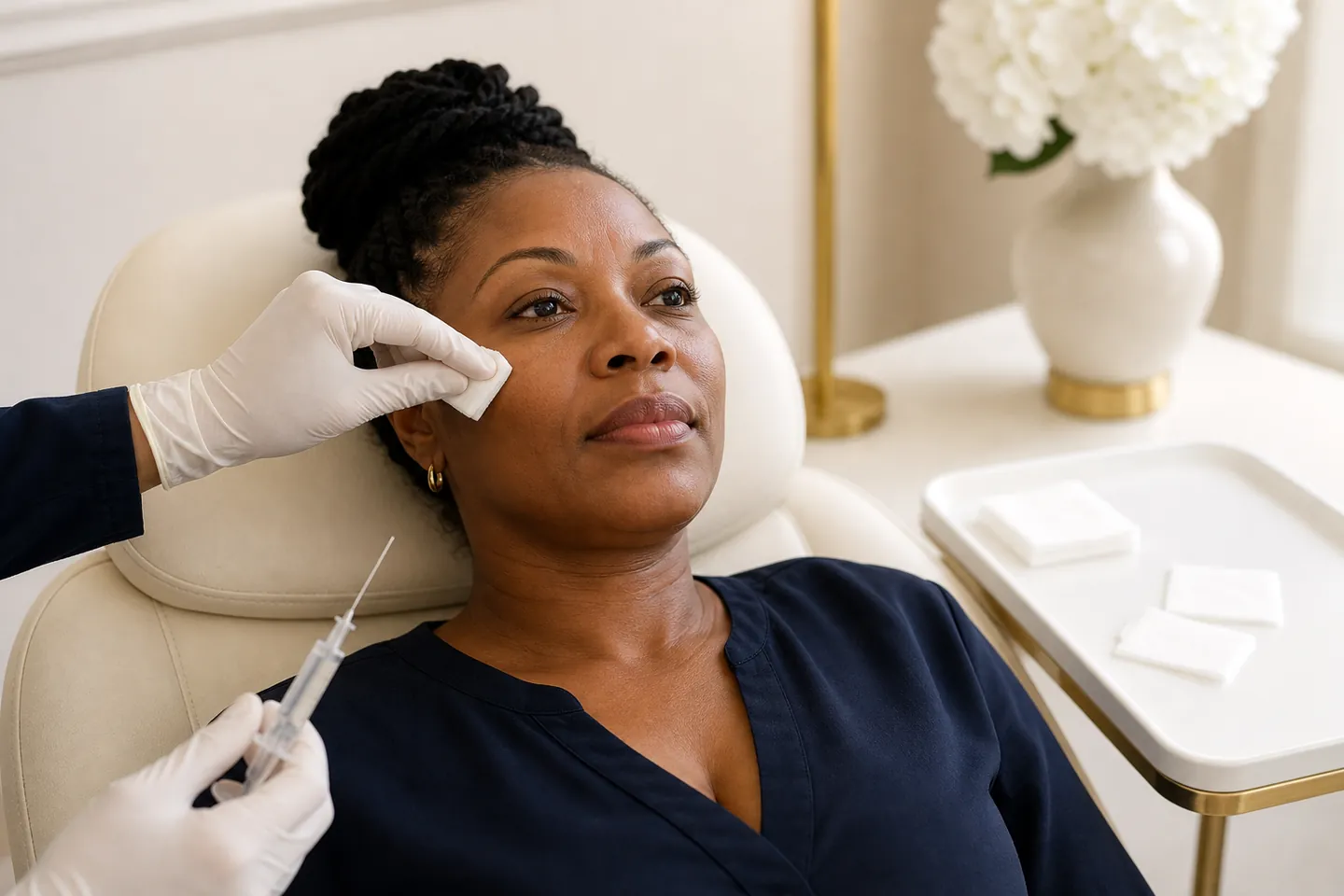
The skin is cleaned and a numbing cream goes on for 5 to 10 minutes. The filler goes in through a fine needle or a thin tube with a blunt tip. You may still feel a pinch and pressure. Allow 30 to 60 minutes in all.
iv.
Going home
Most people go back to work the same day. We ask you to avoid heat, hard exercise, saunas and facials for 24 hours, and make-up for 6 to 12 hours. Sleep on your back the first night if you can. A cold pack, used gently, helps with swelling. We see you again at two weeks.
04Afterwards
What to expect, and when to get help.
- What is common
- Bruising, redness, swelling, pain, tenderness, itching and a rash. Many of these settle in a few days to weeks.
- Go to a hospital at once
- For unusual pain; a change in your sight; skin near the injection turning white, grey or blue; trouble breathing; or any sign of a stroke (sudden trouble speaking or walking, numbness or weakness in the face, arms or legs, a drooping face, a severe headache, dizziness or confusion). Do not drive yourself. Tell them what was injected, and where.
- Call us straight away
- On (876) 676-6297, for swelling, redness or pain that is getting worse, a fever, pus, a wound that opens or weeps, or anything you did not expect. We are closed at night and from Friday to Sunday. If we are closed, do not wait for us: go to a hospital.
- Weeks or years later
- A new lump can appear weeks, months or even years after filler. So can swelling, sometimes after an illness, a vaccine or dental work. Call us if either happens.
05Risks
The risks, and who should not have it.
- The risks of filler
- Less common than bruising and swelling: lumps that may need injections, antibiotics or an operation; infection; a wound that opens or weeps; an allergic reaction; and skin that dies. Rare: a severe allergic reaction, filler that moves, hard lumps that stay, and filler injected into a blood vessel, which can kill skin or cause blindness or a stroke. The FDA says the chance of that is low, but the harm can be serious and permanent. Death has been reported to the FDA, rarely. The result can also look uneven, too full or not full enough.
- Who should not have it
- We don't do it in pregnancy or while breastfeeding, with an infection or inflamed skin in the area, such as pimples, a rash or hives, with an allergy to hyaluronic acid or to a numbing medicine, or with a bleeding disorder. Tell us about severe allergies, an autoimmune illness, and if you scar easily or form keloids. A medicine that affects your immune system needs a doctor's review first. The FDA has approved fillers only for adults of 22 and over, and says their safety is unknown below that age.
06Cost & booking
How much does Juvederm cost in Jamaica?
- What it costs
- We estimate US$650 to US$2,500, priced by the syringe. Your written quote gives the amount planned for each area, and the total.
- Paying
- Cash, debit card, credit card or approved financing. It is cosmetic, and health insurance does not usually cover it.
If this sounds right
The next step is a conversation, not a commitment.
Start with a private consultation. Nothing is booked until you decide.
No obligation · Every consultation is in-person with Dr. Rockhead.