01The basics
What is a labial puff, and is it approved?
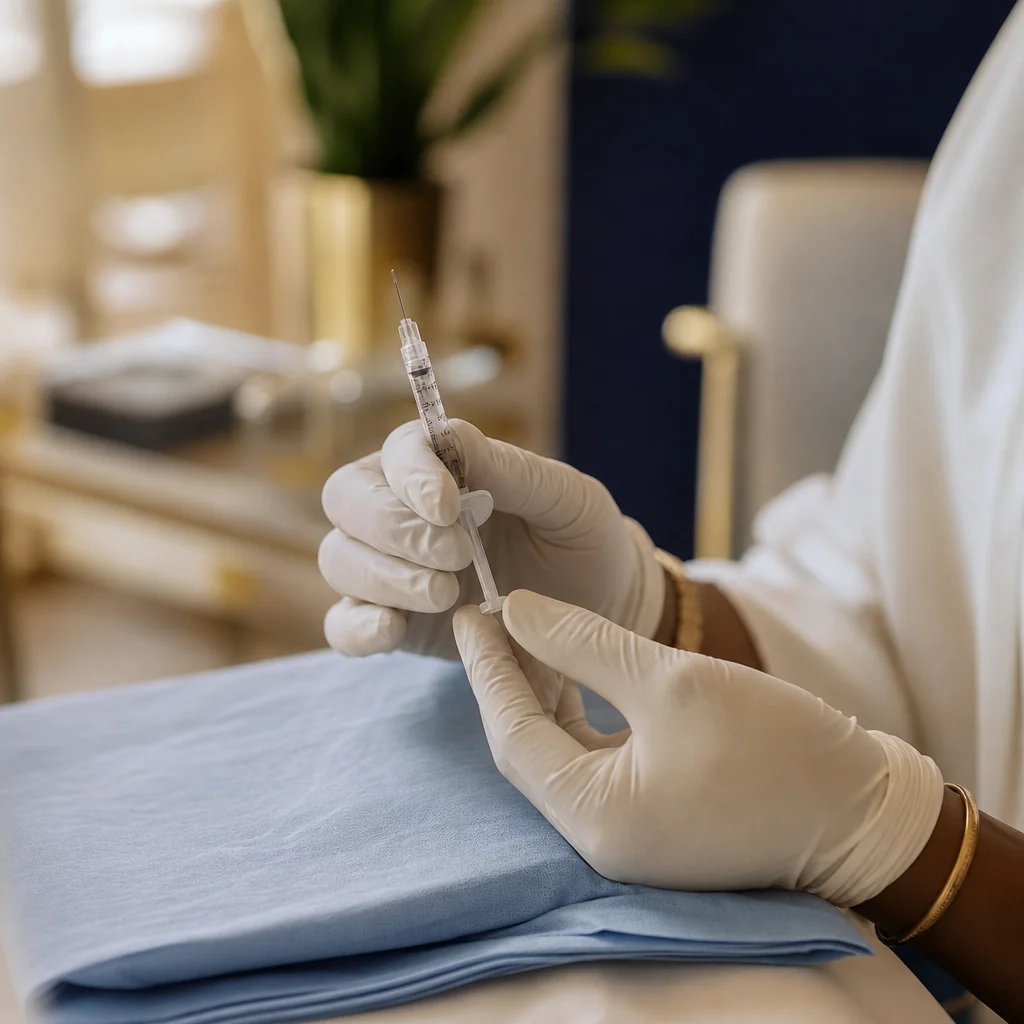
A gel filler made of hyaluronic acid is injected into the outer lips of the vulva. It adds volume; it does not make the lips smaller. It is an injection, not surgery, and the FDA says it should be treated as a medical procedure, not a beauty treatment. Doctors call it labia majora augmentation.
- Is it approved?
- The FDA has approved fillers for specific areas, such as parts of the face and the back of the hands. It has not approved any filler for body contouring or enhancement, and the labia are not among the approved areas. Its approvals rest on studies in the approved areas.
- How long it lasts
- The FDA gives roughly 6 to 12 months for fillers of this kind, and the International Society of Aesthetic Plastic Surgery about a year in the labia, varying with the product. The FDA says the safety of repeated use over a long time has not been tested in a controlled study.
- Can it be undone?
- Do not count on it. The FDA says removing filler may need injections or surgery, which carry their own risks, and may be difficult or impossible. That is most true of fillers that are not hyaluronic acid.
- Filler, or your own fat
- This page describes filler. Your own fat can be used instead, and that is an operation: fat is taken by liposuction under an anaesthetic and injected, and someone must drive you home. About half of the fat survives, though it varies; more than one session is typical, and the result can take up to six months. Swelling may last four to six weeks: plan on no sex or sport for up to eight. The risks include those of liposuction, plus infection, lumps where fat has died and, occasionally, fat or a blood clot blocking a blood vessel. Stop smoking first.
Keep in mind
What to know first.
We cannot tell you how often problems happen in the labia.
Results differ from person to person. If the look of your labia is on your mind much of the time, talking to your own doctor or a counsellor is a good first step.
02Your consultation
Who do you meet?
Dr. Charles Rockhead, in person, at 9 Devon Road in Kingston. He goes through your health and your medicines, examines you and explains your choices. Dr. Rockhead gives your injections himself.

Dr. Charles Rockhead, Medical Director — Oshun Cosmetic Services, Kingston.
Dr. Charles Rockhead
Medical Director · Board-Certified OB/GYN · 30+ years of practice
Dr. Charles Rockhead is a board-certified Obstetrician and Gynaecologist with more than thirty years of practice in Kingston. He is the Medical Director of Oshun Cosmetic Services and the founding physician of Amadeo Medical Group, the parent clinical practice.
Read the clinic story · View Dr. Rockhead's LinkedIn
03The visit
Before, during and after.
These are the steps with filler.
i.
Before
Tell us every medicine, vitamin, herb and bush tea you take, any filler you have had before, and if you are or could be pregnant. We ask you to avoid alcohol for 24 hours before, and aspirin, anti-inflammatory painkillers and fish oil for seven days before. If you take any of these regularly, or a blood thinner, do not stop on your own: tell us, and your doctors decide.
ii.
The numbing
A numbing cream goes on about 30 minutes before. Some fillers also contain a numbing medicine. Tell us if you have ever reacted to one. You may still feel a pinch and pressure.
iii.
The injections
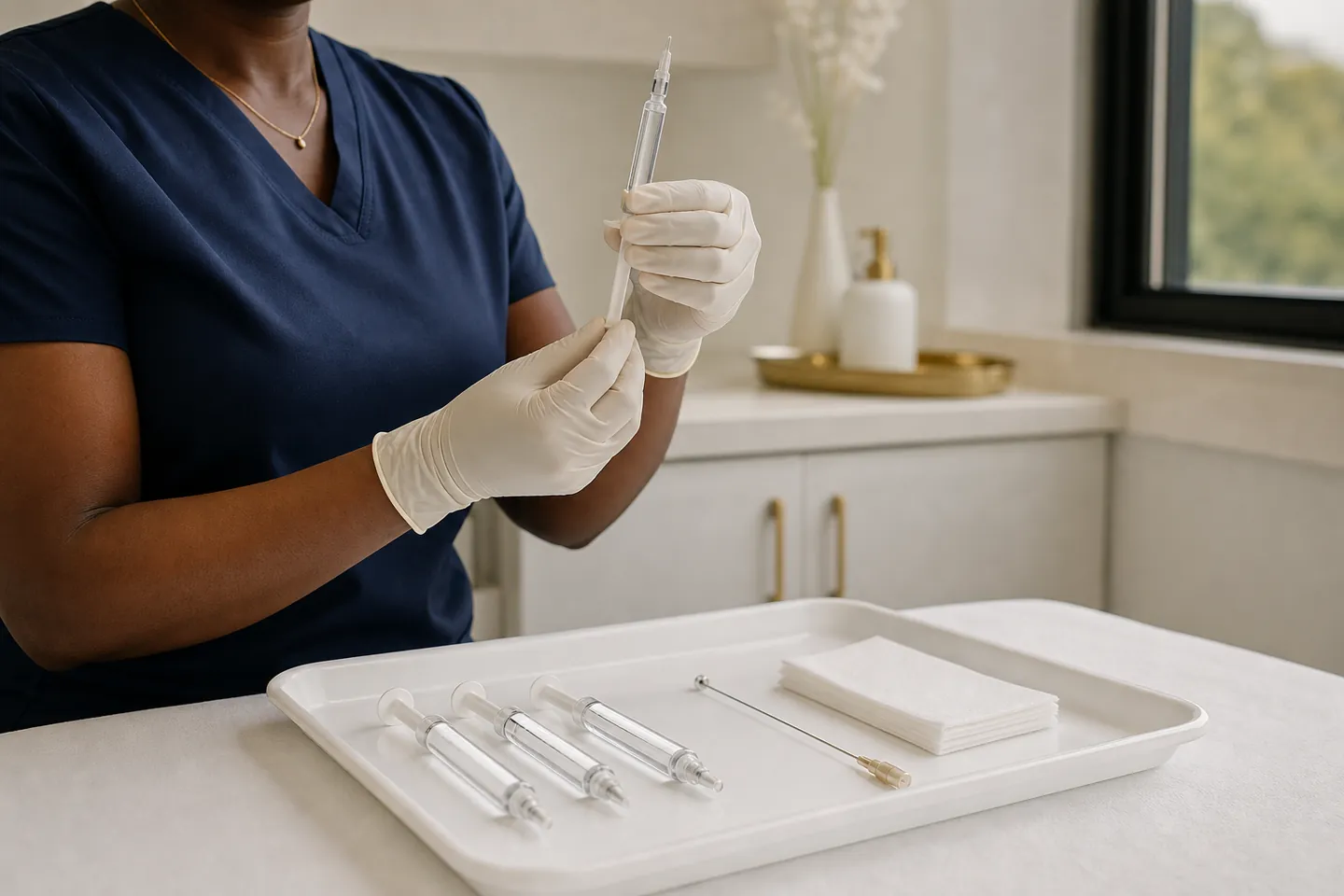
The filler goes in through a fine needle or a thin tube with a blunt tip. We start with a small amount, check that the two sides match, and write down how much went into each. Ask us for the filler's name and its patient leaflet. This part takes 15 to 30 minutes. Allow 60 to 90 minutes in all.
iv.
Going home
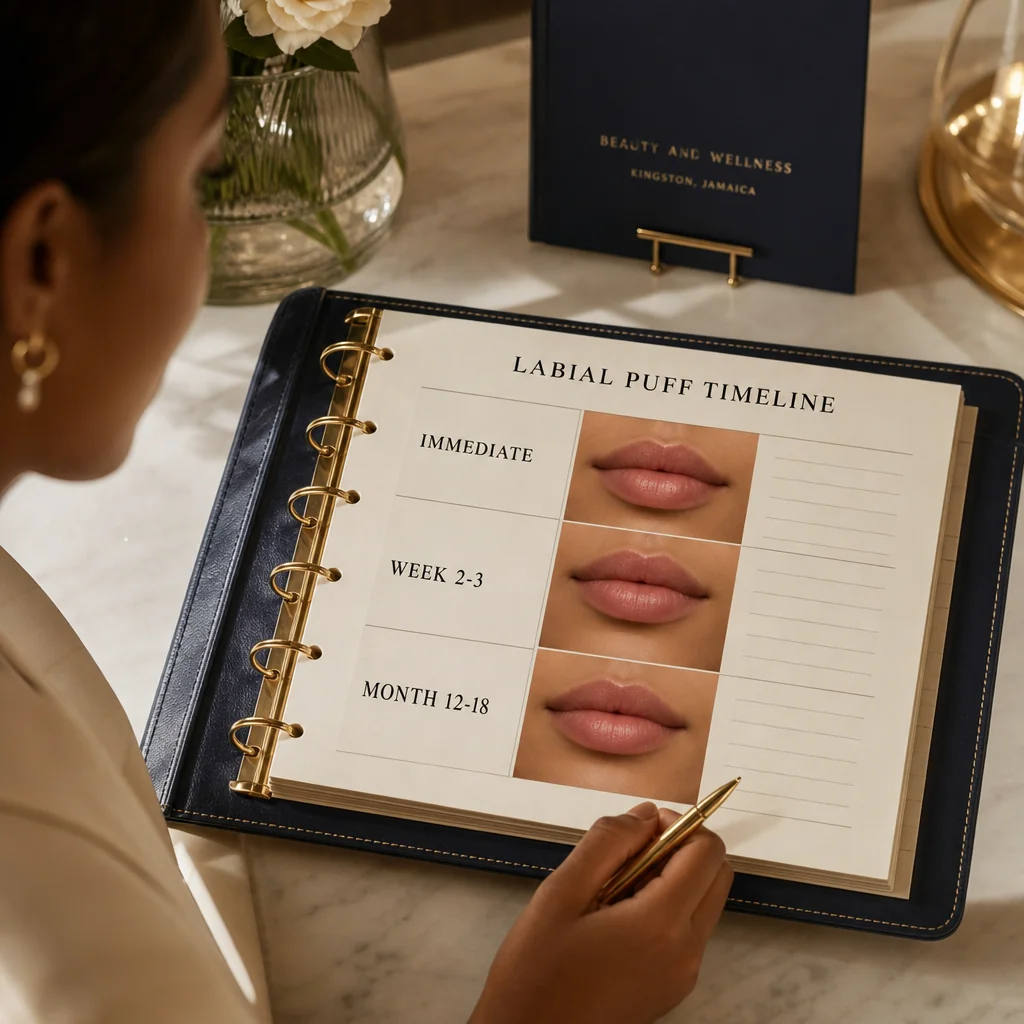
Most people go back to most things the same day. We ask you to avoid tight clothing, sex, hot baths and saunas, and hard exercise for one week. A cold pack, used gently, helps with bruising. Sleep on your back for the first night or two if that is comfortable. We see you again at two to three weeks.
04Afterwards
What to expect, and when to get help.
- What is common
- Bruising, redness, swelling, soreness, itching and a rash. Many of these settle in a few days to weeks. You see the added volume straight away, and it changes as the swelling goes down.
- Go to a hospital at once
- For unusual pain; skin near the injection turning white, grey or blue; a change in your sight; trouble breathing, chest pain or coughing up blood; or any sign of a stroke (sudden trouble speaking or walking, a drooping face, a weak or numb arm or leg, a severe headache, confusion). After a fat transfer, also for a painful swollen leg. Do not drive yourself. Tell them what was injected, and where.
- Call us straight away
- On (876) 676-6297, for swelling, redness or pain that is getting worse, a fever or chills, pus, heat or a bad smell, bleeding, or anything you did not expect. We are closed at night and from Friday to Sunday. If we are closed, do not wait for us: go to a hospital.
- Weeks or years later
- A new lump can appear weeks, months or even years after filler. So can swelling or redness, sometimes after an illness, a vaccine or dental work. Call us if either happens.
05Risks
The risks, and who should not have it.
- The risks of filler
- The FDA lists these for the areas it has approved, and says the risks of other uses are not known. Less common than bruising and swelling: lumps that may need injections, antibiotics or an operation; infection; a wound that opens or weeps; an allergic reaction; and skin that dies. Rare: a severe allergic reaction, filler that moves, hard lumps that stay, and filler in a blood vessel, which can kill skin or cause blindness or a stroke, and may be permanent. Death has been reported to the FDA, rarely. Too much filler can look overfilled, feel firm, or make an uneven side more uneven.
- Who should not have it
- We don't do it in pregnancy or while breastfeeding, with an infection or inflamed skin in the area, with an allergy to hyaluronic acid or to a numbing medicine, or with a bleeding disorder. A medicine that affects your immune system needs a doctor's review first. Filler is best avoided with an autoimmune illness, a strep infection, or keloid or thick scars. Tell us about severe allergies. The FDA has approved fillers only for adults of 22 and over, and says their safety is unknown below that age.
- What else you can choose
- You can leave things as they are. Surgery can make the outer lips smaller. Dryness or soreness is a different problem with its own treatment: see a doctor about it.
06Cost & booking
How much does a labial puff cost in Jamaica?
- What it costs
- We estimate US$1,200 to US$3,500. Where you fall depends on how much filler is used, or on whether fat is used instead. Your written quote gives the amount planned for each side, and the total.
- When we are open
- Monday and Wednesday, 10 AM to 6 PM. Tuesday and Thursday, 10 AM to 4 PM. Closed Friday to Sunday.
- Paying
- Cash, debit card, credit card or approved financing. It is cosmetic, and health insurance does not usually cover it.
If this sounds right
The next step is a conversation, not a commitment.
Start with a private consultation. Nothing is booked until you decide.
No obligation · Every consultation is in-person with Dr. Rockhead.