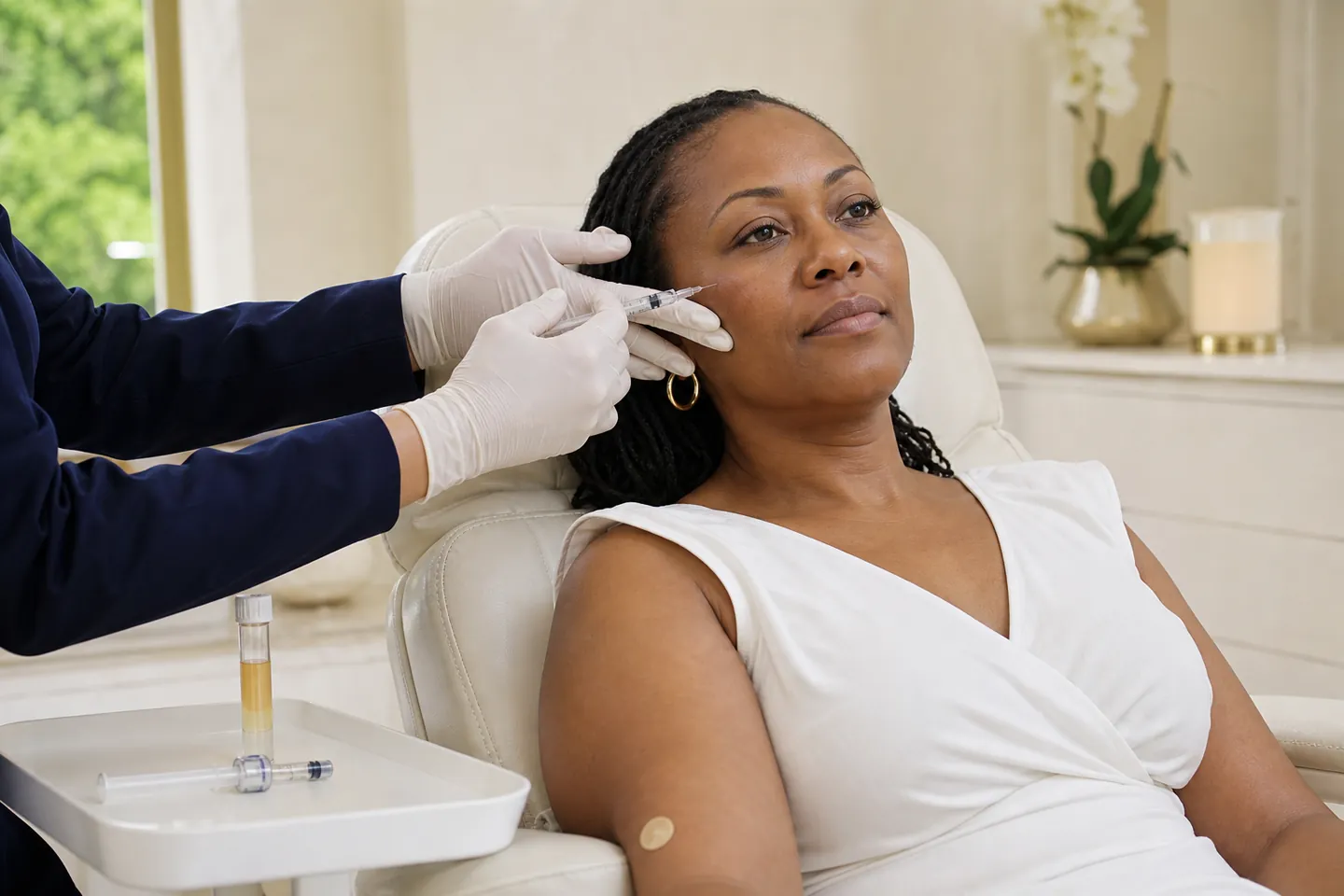
- Less common
- Lumps that may need injections, antibiotics or surgery; infection; an open or weeping wound; an allergic reaction; skin that dies; and a result that looks uneven or too full.
- Rare but serious
- Filler that enters a blood vessel can block it. That can kill an area of skin, or cause blindness or a stroke. The FDA says the chance is low, but the harm can be serious and permanent. Also rare: filler moving from where it was put, filler leaking through the skin, hard lumps that stay, a severe allergic reaction, and death.
- Your blood
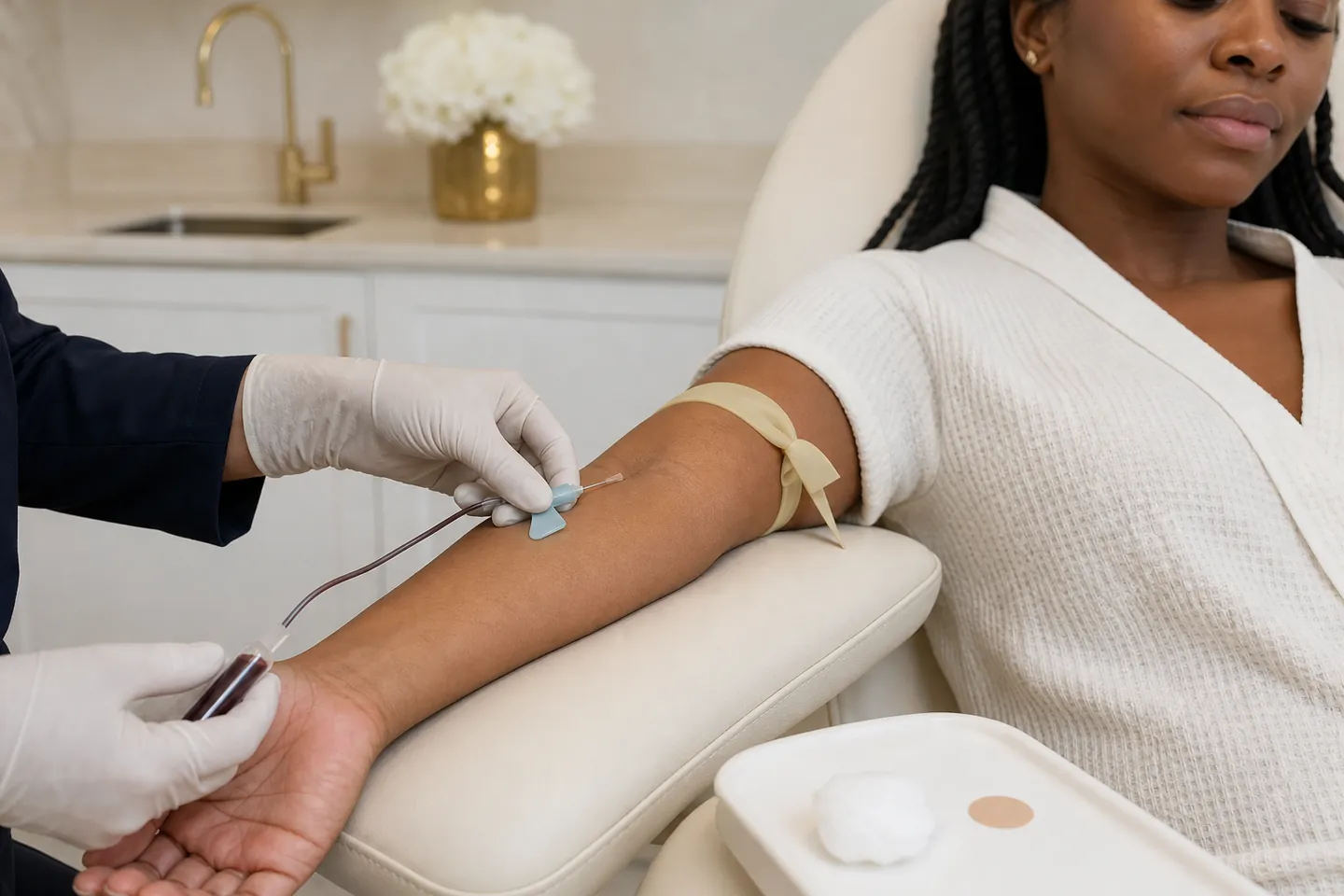
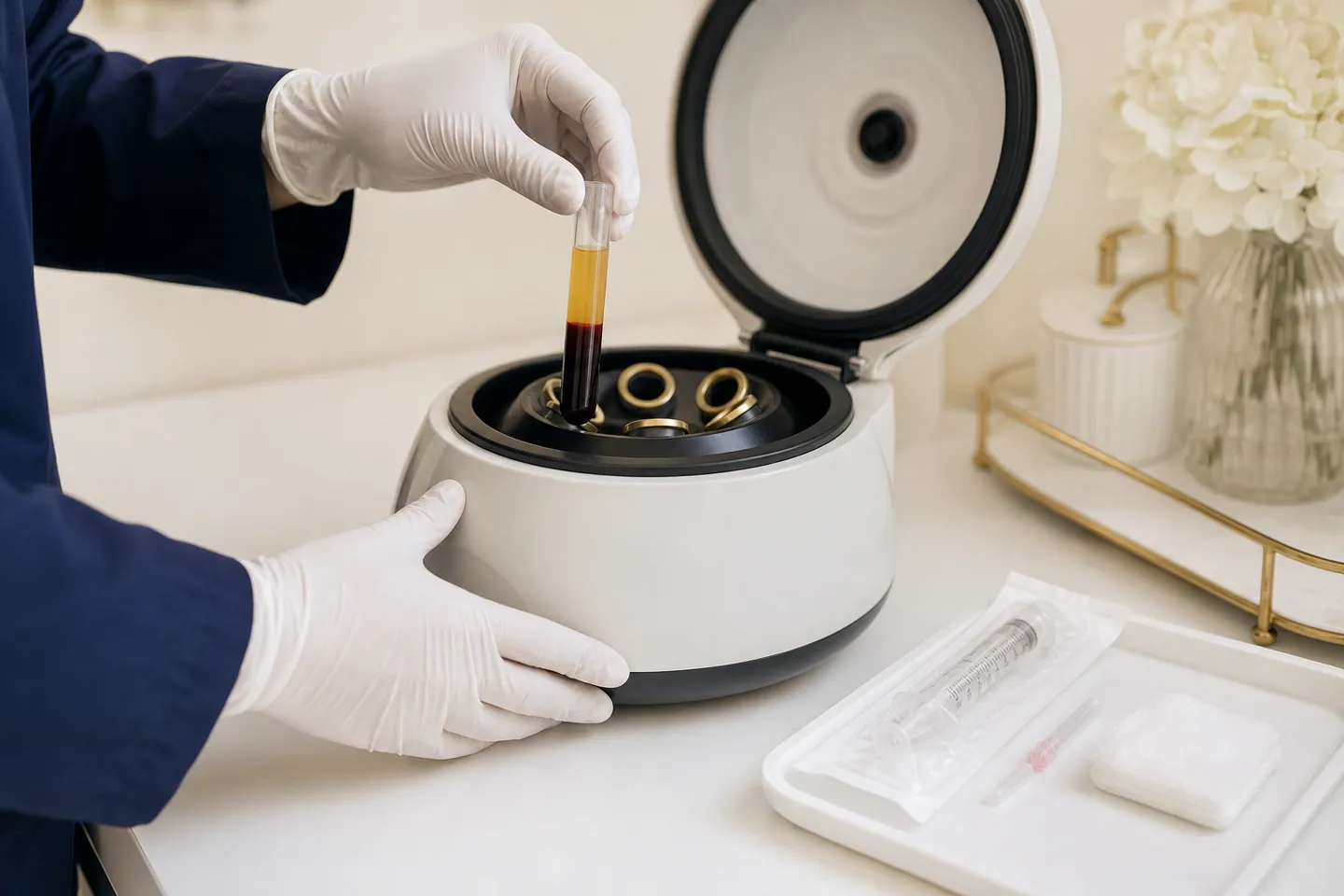
- Unsterile blood can cause infection, and someone else's blood given by mistake can make a person very ill, the American Academy of Dermatology warns. Ask us how your blood is kept sterile and checked as yours.
- Who should not have it
- Not in pregnancy, while breastfeeding, or under 22: the FDA says filler safety there is unknown. Not with a bleeding or clotting condition, a very low platelet count, an infection, long-term liver disease, hepatitis C, HIV or skin cancer, or while on a blood thinner.
- Wait, or tell us first
- Wait while the skin is infected or inflamed, with pimples, a rash, hives or a cold sore. Tell us about severe allergies or anaphylaxis, an allergy to a numbing medicine or to animal- or bacteria-derived material, and an autoimmune illness. If you form keloid or raised scars, the FDA says filler safety is unknown for you, so tell us before you book.