The Clit-Shot at Oshun · Kingston, Jamaica

Restoration.
From your own blood.

The Clit-Shot at Oshun is performed by Dr. Charles Rockhead — board-certified, with PRP drawn from your own blood and placed under local anesthetic. A sixty-minute visit, a build-up over four to twelve weeks, and a result that comes from the body you already have.

Chat with the Oshun care team on WhatsApp

No obligation · Every consultation is in-person with Dr. Rockhead.

Four things that are true of every visit

Clit-Shot by an OB/GYN

Every Clit-Shot at Oshun is placed by a board-certified Obstetrician and Gynaecologist. In most Caribbean clinics PRP intimate procedures are delegated to nurses or aestheticians. Dr. Rockhead is a physician first — and an OB/GYN second — so the anatomy is not new territory.

30 years caring for women

Three decades as a practicing OB/GYN at Amadeo Medical Group, the parent clinical practice. Every Clit-Shot plan is reviewed by a physician who has cared for women through pregnancy, surgery, perimenopause, and post-natal recovery — not just intimate-wellness appointments.

Your own blood, nothing foreign

The active ingredient is platelet-rich plasma drawn from your own arm and processed on site in a medical centrifuge. There is no synthetic filler, no implanted material, no donor product. The body is asked to do what it already knows how to do, slightly more of it.

Per-session, never bundled

Each session is priced in writing before blood is drawn. No memberships, no obligatory multi-visit series, no "introductory packs" designed to lock you in before you know whether the first session was right. You pay for the session you want — nothing more.

The honest version

Why most intimate-wellness PRP disappoints.

The reason intimate PRP procedures sometimes go wrong is rarely the platform itself. PRP has been used in orthopaedics, dermatology, and wound healing for over two decades. The Clit-Shot protocol is well-defined. What goes wrong is how it gets delivered.

The common pattern across intimate-wellness clinics: PRP processed in a low-end centrifuge that yields weak plasma, placement delegated to a non-gynaecologist, no medical history taken beyond the consent form, no follow-up scheduled, and a "package of three" sold up front before anyone knows whether the first session was right for this patient.

At Oshun, we don't run that model. The four points above — OB/GYN placed, your own blood (nothing foreign), week-4 and week-12 follow-ups, written per-session quote — are how we replaced it. The rest of this page explains the alternative in plain language so you can decide whether it sounds like the right approach for you.

Chat with the Oshun care team on WhatsApp

No obligation · Every consultation is in-person with Dr. Rockhead.
An Clit-Shot visit at Oshun takes about seventy-five minutes from the moment you walk in to the moment you walk out. Here is what happens in those seventy-five minutes.

i.

Blood draw (~5 minutes)

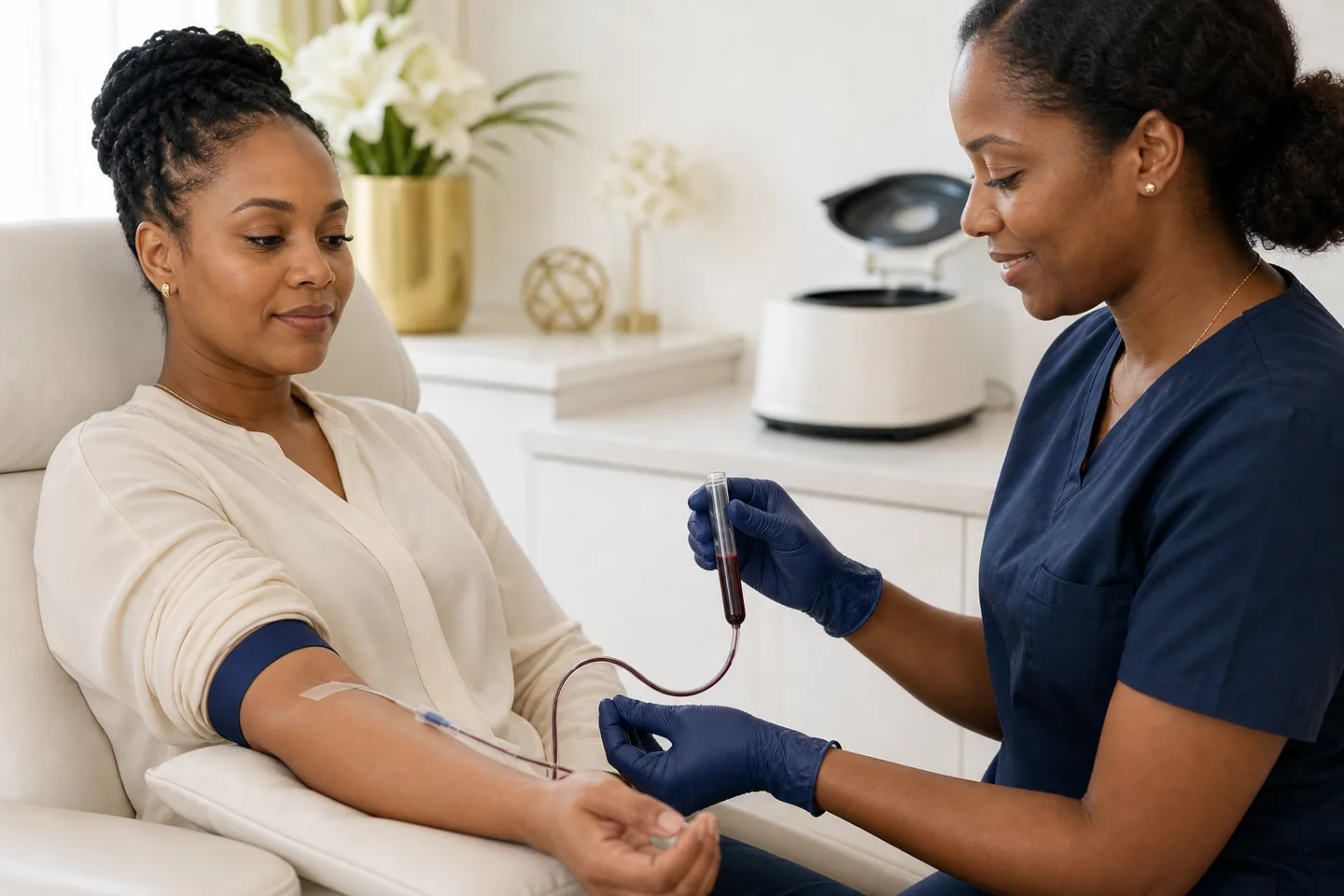
A standard medical blood draw from your inner elbow — about 30 ml, the same kind of stick you'd have for a routine blood test. You sit in the consultation chair throughout. Small bandage on the way out.

ii.

Centrifuge + numbing (~25 minutes)

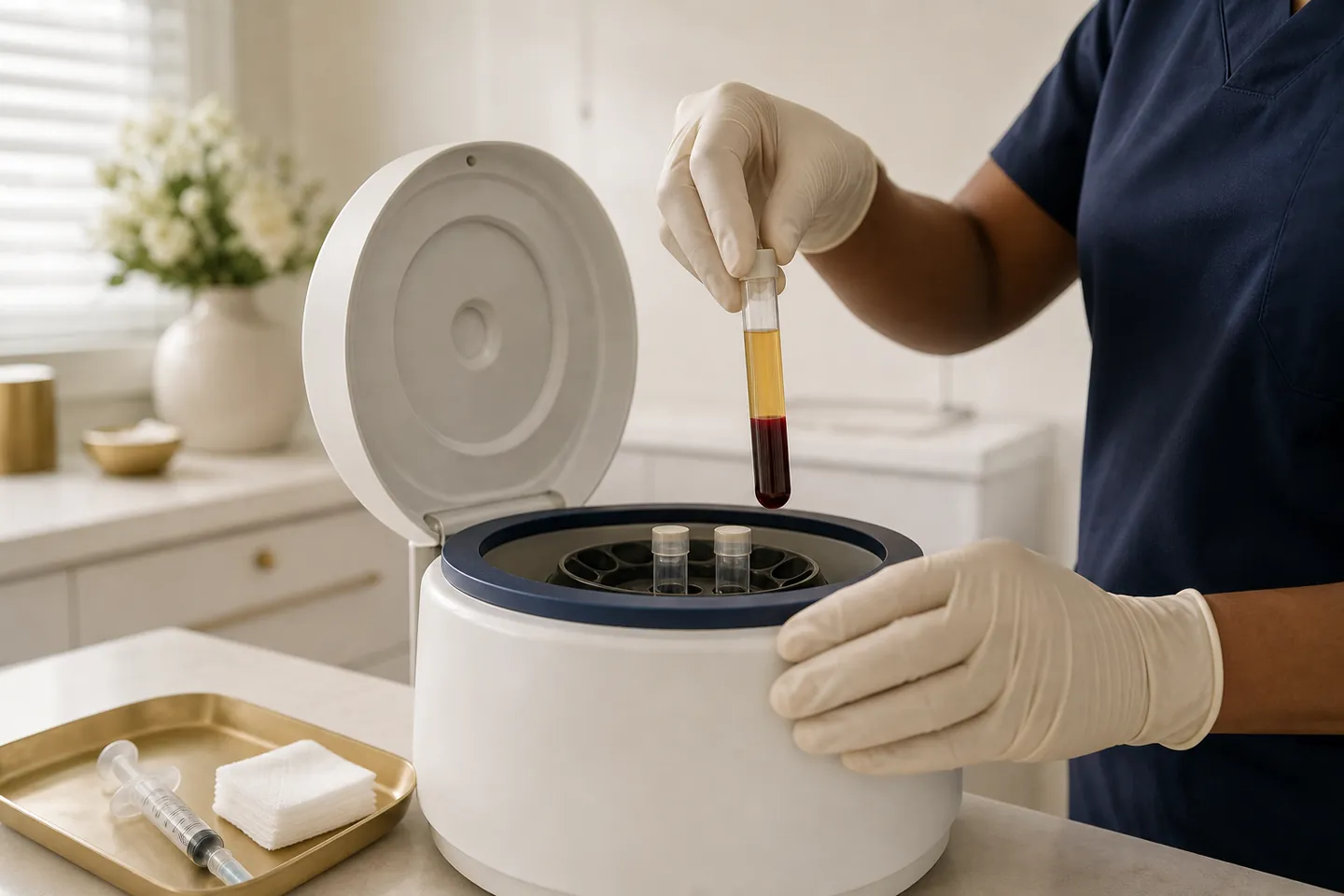
Your blood is processed in our medical-grade centrifuge to separate the platelet-rich plasma layer — about 5–10 ml of golden PRP. While the centrifuge runs, the placement area is cleansed and a topical numbing cream is applied and given time to take full effect.

iii.

The placement (~5 minutes)

Dr. Rockhead places the PRP across the three target zones at standardized depths using a fine-gauge needle. Where additional local anesthetic is needed, it is given first. Each placement is the protocol written down at step one. Nothing is improvised; nothing is added without your spoken consent.

iv.

Walk back out (~10 minutes)

A brief rest, hydration, and a clear written aftercare card on the way out. You can drive yourself home and return to work the same day. Some patients notice mild cramping or a pinkish discharge for 24 hours. We email a check-in at week 4 and again at week 12.

Dr. Charles Rockhead, board-certified Obstetrician and Gynaecologist, Medical Director of Oshun Cosmetic Services in Kingston, Jamaica

Dr. Charles Rockhead, Medical Director — Oshun Cosmetic Services, Kingston.

Medical Leadership

Dr. Charles Rockhead.

Medical Director · Board-Certified OB/GYN · 30+ years of practice

Dr. Charles Rockhead is a board-certified Obstetrician and Gynaecologist with more than thirty years of practice in Kingston. He is the Medical Director of Oshun Cosmetic Services and the founding physician of Amadeo Medical Group, the parent clinical practice.

Every Clit-Shot at Oshun is performed by Dr. Rockhead personally — never delegated to nurses, technicians, or junior injectors. The same physician who takes your medical history is the one who draws your blood, processes the PRP, places it, and sees you back at the week-4 and week-12 follow-ups. That single-hand continuity matters more in intimate-wellness procedures than almost anywhere else in cosmetic medicine.

Read the clinic story · View Dr. Rockhead's LinkedIn

Treatment Details

Every fact about your first visit, in plain language.

Most first-time patients arrive with the same set of unspoken questions. They are answered below in the order most people think them — from "how much will I need" to "what if I'm pregnant."

Last clinically reviewed: · Medical reviewer: Dr. Charles Rockhead, Medical Director, Oshun Cosmetic Services

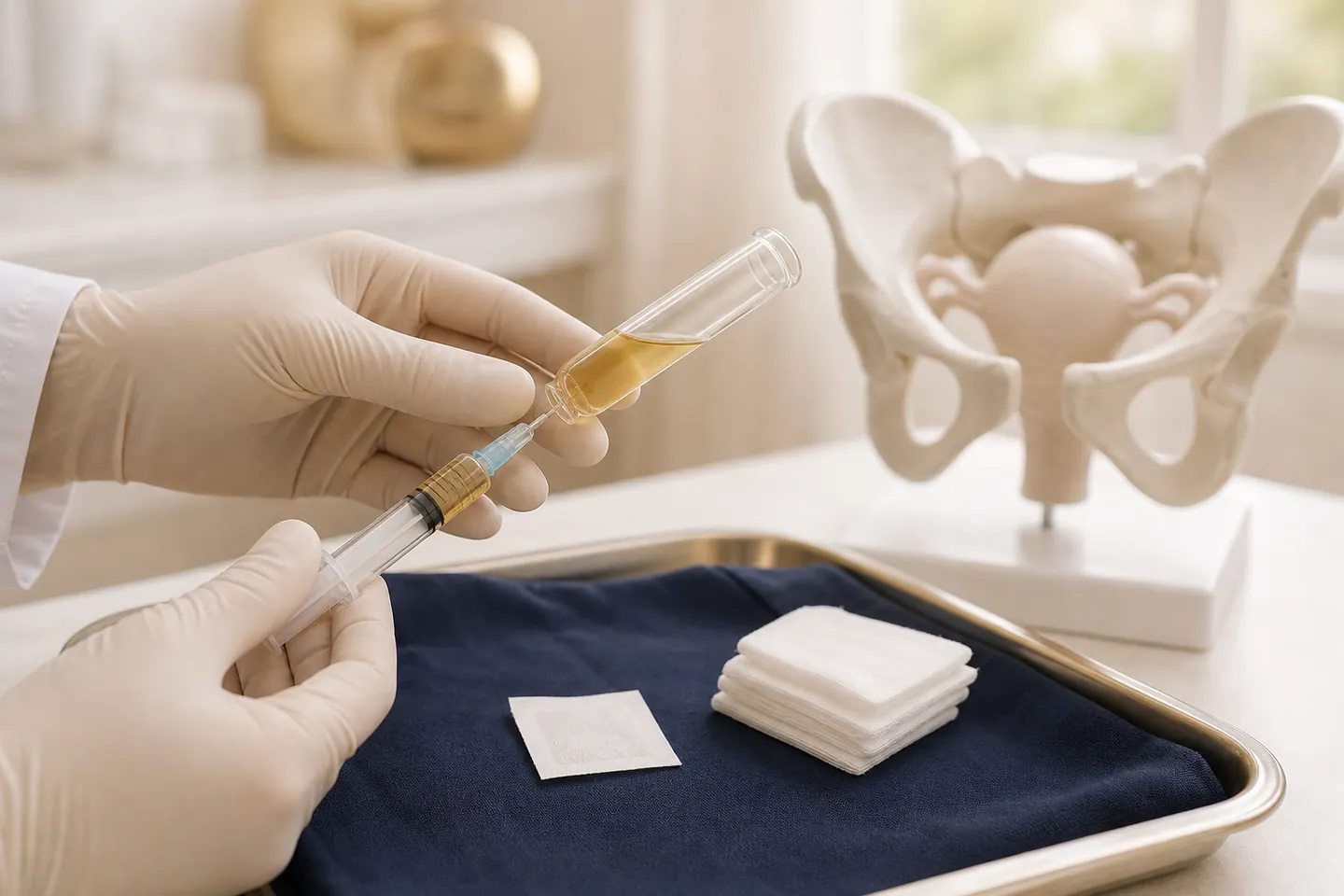
A vial of golden PRP plasma beside a tasteful abstract anatomical reference showing three injection target zones at the Oshun clinic in Kingston, Jamaica
Clit-Shot 101

The medicine itself.


What it isThe Clit-Shot ("Clitoral PRP") is platelet-rich plasma (PRP) drawn from your own blood and placed in the tissues that govern intimate response. PRP is the platelet-and-growth-factor layer that separates out when a small sample of your blood is spun in a centrifuge. It is your body, asked to do what it already does — slightly more of it.
How long it's been aroundThe Clit-Shot protocol was developed by Dr. Charles Runels in 2010-2011 and has been performed in thousands of clinics globally since. PRP itself has been used in orthopaedics, dermatology, and wound healing for over two decades — the protocol simply applies that platform to intimate-wellness anatomy.
What we treat with itReduced sexual response or arousal, dryness or thinning of the vaginal tissues (post-menopausal, post-childbirth, or otherwise), mild stress urinary incontinence (the small leaks during sneeze, cough, or laugh), and supportive care for lichen sclerosus alongside other treatment. Not a cure for severe pelvic-floor dysfunction — that's surgical territory.
An overhead view of a brushed-gold clinical tray at Oshun with a blood-draw tube, a sterile PRP vial, swab packets, and gauze ready for the Clit-Shot session
Your appointment

The day of your visit.


How much you'll getA small blood draw of about 30 ml (six teaspoons, roughly half a standard blood tube) is processed in our centrifuge to yield about 5–10 ml of concentrated PRP. That PRP is then placed across the three target zones at standardized depths. One session per visit; some patients add a second session 8–12 weeks later if they want to layer the effect.
Will it hurt?The intimate area is numbed with topical anesthetic and, where needed, a small infiltration of local anesthetic — most patients describe the placement as pressure rather than pain. The blood draw itself is a standard arm stick. There is no general anesthesia and no sedation required.
How long the visit takesPlan for 60–90 minutes from arrival to walking out the door. Most of that time is the centrifuge processing of your PRP (about 15 minutes) and the numbing cream taking effect. The placement itself takes roughly five minutes.
Time off afterNone for most patients. Some report a light pinkish discharge for 24 hours, occasional minor cramping for a few hours, and small bruising at the blood-draw site. You can drive yourself home and return to work the same day.
A planner with Week 4, Week 8, Week 12, and 12-18 Months circled in gold ink, beside herbal tea and a white orchid — the Clit-Shot build-up timeline
Results & aftercare

Before, during, and the two weeks after.


When you'll see resultsThe Clit-Shot is a regenerative treatment, not an instant one. Most patients begin to notice changes by week 4, with the fullest effect building through weeks 8–12. The benefit then plateaus and typically lasts 12–18 months before a second session is considered. The change is gradual, not a "before and after the same day" story — and that's the point.
The days before your visitHydrate well in the 24 hours before so the blood draw is easy. If it's medically safe for you, skip aspirin, ibuprofen, and other anti-inflammatory medications for about a week (NSAIDs can blunt the platelet activation we're relying on). Tell us about every medication and supplement you take, and let us know if there's any chance you may be pregnant.
Right after your visitAvoid penetrative intimacy, tampons, and submerged baths or pools for 48 hours. Skip vigorous exercise for 24 hours. Drink water. Some patients notice mild cramping or warmth that settles within the first day. We email a check-in at week 4 and again at week 12.
Follow-up windowWe see you back at the four-week and twelve-week marks to assess response. Some patients respond strongly to one session; some benefit from a second placement at the 8–12 week mark to layer the effect. If a second session is added it is billed at the standard per-session rate — there are no "free" follow-up injections because that pricing structure encourages under-treatment on the first visit.
A physician's hand writing an Clit-Shot treatment plan on a leather portfolio with sections for the session, follow-up check, and reversal plan
Logistics, cost & safety

Booking, pricing, and who shouldn't have the Clit-Shot.


Consultation policyEvery patient meets Dr. Rockhead in person at the 9 Devon Road clinic before any treatment is scheduled. Intimate-wellness procedures require a careful medical history and gynaecological review — virtual consultations are not currently offered.
Where treatments happenOshun Cosmetic Services, 9 Devon Road, Kingston, Jamaica. The blood draw, the centrifuge, and the PRP placement all happen in the same private treatment room. The same address, the same medical team, every visit.
What it costsThe Clit-Shot at Oshun is priced per session. At your consultation you'll receive a written quote with the session price and (if a follow-up session is recommended) the timing and the price of that second placement. We don't advertise a single number on the homepage because each patient's underlying picture is different.
How to payCash, debit, credit card, or approved financing.
InsuranceThe Clit-Shot is generally considered cosmetic/elective in Jamaica and is not covered by insurance. If your Clit-Shot is being used to support a documented medical issue (e.g. mild stress urinary incontinence with prior workup), we provide itemized receipts and the appropriate diagnostic codes that you can submit to your insurer yourself.
Who should not have the Clit-ShotPatients who are pregnant or breastfeeding, who have an active pelvic infection, who have a bleeding disorder or are on therapeutic anticoagulation, who have an active blood cancer or platelet disorder, or who have an active gynaecological malignancy. Dr. Rockhead reviews your full medical history and (where appropriate) a recent gynaecological exam before anything is scheduled.
Is the Clit-Shot right for you

Four people who get the most out of the Clit-Shot at Oshun.

The Clit-Shot isn't a one-size category — the right indication, the right timing in your reproductive life, and even whether to start at all depend on where you are. Below are the four patient profiles we see most often. If one sounds like you, an in-person consultation at 9 Devon Road is the next step.

Post-childbirth

Recovering the sensation that changed

Many patients report a quiet shift in intimate response in the year or two after vaginal delivery — less sensation, less natural lubrication, sometimes mild post-partum incontinence. The Clit-Shot is one of the few non-surgical options that addresses the underlying tissue rather than just the symptom.

Perimenopause & menopause

Vaginal dryness and thinning

The drop in oestrogen through perimenopause and menopause causes vaginal tissues to thin and dry. The Clit-Shot, alongside topical oestrogen where appropriate, can support tissue regeneration. It is not hormone replacement therapy — but it is one of the few procedures that addresses the structural side of the same problem.

Stress incontinence

The small leaks that limit your day

Mild stress urinary incontinence (the small leaks during sneeze, cough, laugh, or jump) responds well to Clit-Shot placement in many patients. Moderate-to-severe incontinence requires a different conversation — Dr. Rockhead will tell you honestly which group you're in at consultation.

Lichen sclerosus

Supportive care alongside primary treatment

Patients with biopsy-confirmed lichen sclerosus sometimes add the Clit-Shot to support tissue regeneration alongside their dermatologist's primary treatment plan. The Clit-Shot is not a cure — it is a regenerative adjunct, and only considered when the dermatology team is on board.

If this sounds right

The next step is a conversation, not a commitment.

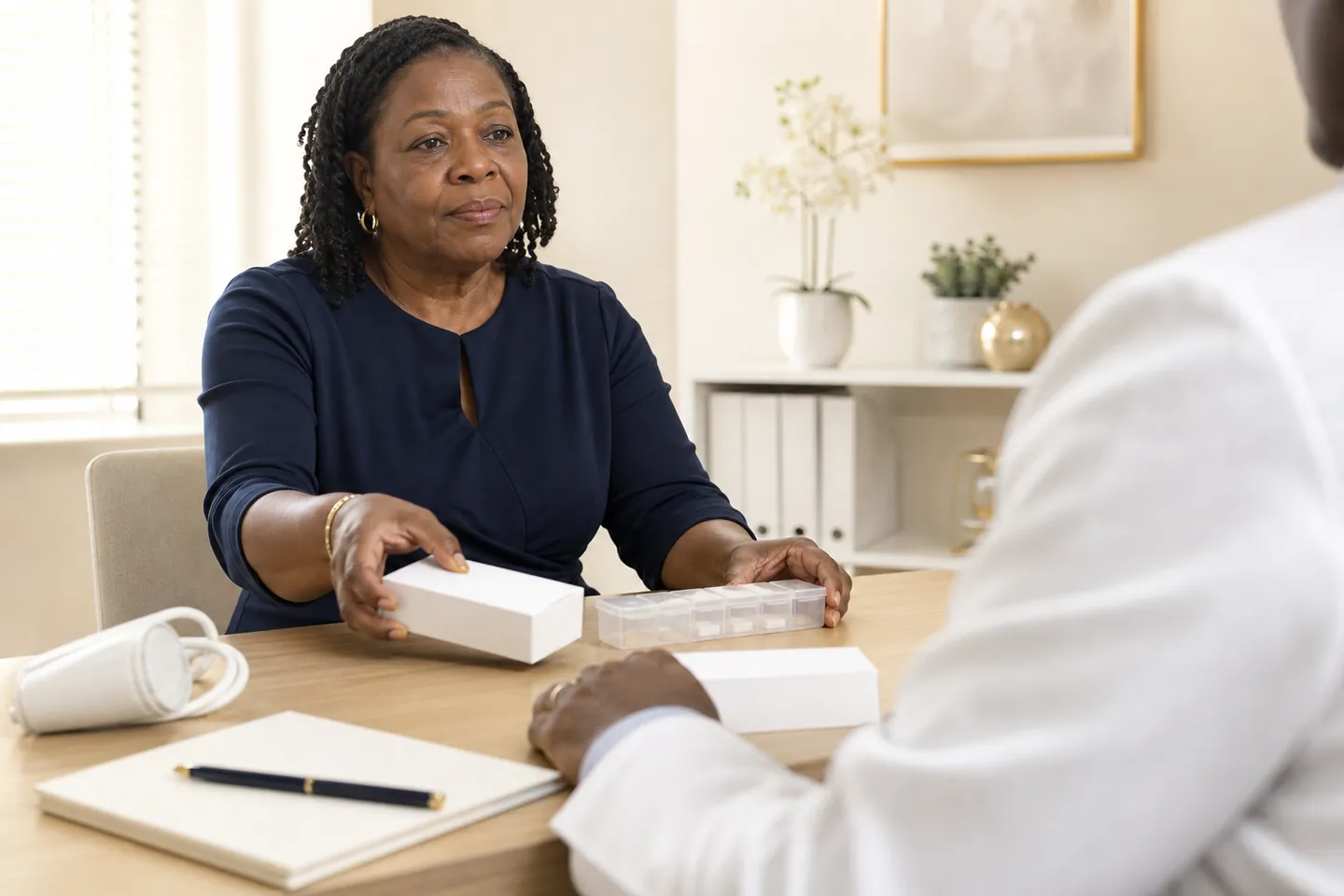
Every Clit-Shot patient at Oshun starts with a consultation. Twenty minutes, in-person at 9 Devon Road, with Dr. Rockhead. No blood is drawn, no quote is signed, no pressure either way. You leave with a plan and a price — or you leave with neither.

Chat with the Oshun care team on WhatsApp Call (876) 676-6297

No obligation · Every consultation is in-person with Dr. Rockhead.
Patient Stories

Real stories, on the record. Coming soon.

Every testimonial below this line will be a real Oshun patient who wrote it themselves, signed a consent form, and gave permission to use their name. Oshun does not buy reviews, ghostwrite reviews, or publish anonymous five-star strings. Real or nothing.

Already an Oshun Clit-Shot patient?

If you've been treated by Dr. Rockhead and would be willing to share your experience on this page — anonymously if you prefer — a member of the team will send you a short consent form. We publish your words exactly the way you want them told.

Share your story on WhatsApp
The honest answers

Nine questions every nervous first-timer asks.

Open any of them. We've written each answer the way Dr. Rockhead would actually say it — not the way a brochure would.

What is the Clit-Shot, exactly?
The Clit-Shot is a procedure in which platelet-rich plasma (PRP) — drawn from your own blood and concentrated in a centrifuge — is placed in the tissues that govern intimate response and pelvic support. The active ingredient is your own platelets and growth factors. There is no synthetic filler, no implanted material, no foreign substance.
How long until I see results?
The Clit-Shot is gradual, not instant. Most patients begin to notice changes by week 4, with the fullest effect building through weeks 8–12. Oshun sends check-in emails at week 4 and week 12 so we can adjust the plan if a second session would help.
How long does the Clit-Shot last?
Benefit typically lasts 12–18 months from a single session before a follow-up placement is considered. Some patients add a second session at the 8–12 week mark to layer the effect, especially for stress incontinence improvement. Duration is individual.
What's the difference between an Clit-Shot at a medspa and the Clit-Shot at Oshun?
At Oshun, the Clit-Shot is performed by a board-certified OB/GYN (Dr. Rockhead) — the same physician who treats women's health on the other side of the practice. PRP is processed on site, and you meet the physician at consultation before any procedure is scheduled. Many medspas delegate intimate procedures to non-gynaecologists; we don't.
Is the Clit-Shot safe? What are the side effects?
Because the active ingredient is your own PRP, the risk of allergic reaction is essentially zero. The most common, temporary side effects are mild cramping, a pinkish discharge for 24 hours, and small bruising at the blood-draw site. Rare risks (infection at the placement site, persistent tenderness) are minimized through sterile technique and the careful medical screening at consultation.
Can I get the Clit-Shot if I'm pregnant or breastfeeding?
No. The Clit-Shot is contraindicated during pregnancy and breastfeeding. It is also contraindicated with active pelvic infection, bleeding disorders or therapeutic anticoagulation, active blood cancer, or active gynaecological malignancy. Dr. Rockhead reviews your medical history at consultation.
How much does the Clit-Shot cost at Oshun?
The Clit-Shot at Oshun is priced per session. A written quote is issued at consultation with the session price and (if a follow-up session is recommended) the timing and the price of that second placement. We don't advertise a single homepage number because the right plan depends on what you're hoping to address.
Will the Clit-Shot help with stress urinary incontinence?
Many patients with mild stress urinary incontinence (the small leaks during sneeze, cough, or laugh) report meaningful improvement in the weeks following the Clit-Shot. Moderate-to-severe incontinence, prolapse, or anatomic damage is not addressed by this procedure — those require a different conversation, possibly surgical. Dr. Rockhead will tell you honestly which group you're in.
How do I book the Clit-Shot at Oshun?
Booking is a two-step process: a private consultation first, then scheduling of the procedure once you and Dr. Rockhead agree the Clit-Shot is right for you. WhatsApp (876) 676-6297 or schedule a consultation from this page.
Two paths from here

One conversation away.

Most patients land on this page weighing whether the Clit-Shot is worth doing at all. The consultation tells you. Twenty minutes with Dr. Rockhead at 9 Devon Road, a written quote in your hands, and a real answer about whether this is the right next step for you — with no obligation either way.

No obligation · Every consultation is in-person with Dr. Rockhead.

Call WhatsApp
Powered by IrieVybz AI — see how this site runs on Karen